The world of portable audio is crowded, but every now and then, a product comes along that completely redefines a category. In the micro-speaker space, that product is the Jbl Go Bluetooth Speaker. For over a decade as a professional audio reviewer and the chief editor at JoyBG, I’ve handled hundreds of speakers, from massive floor-standers to tiny travel companions. Yet, I constantly find myself coming back to the sheer brilliance of the JBL Go. It’s a marvel of engineering that raises a simple question: how can so much sound come from something so small? This isn’t just about convenience; it’s about challenging the very notion of what a pocket-sized speaker can deliver.
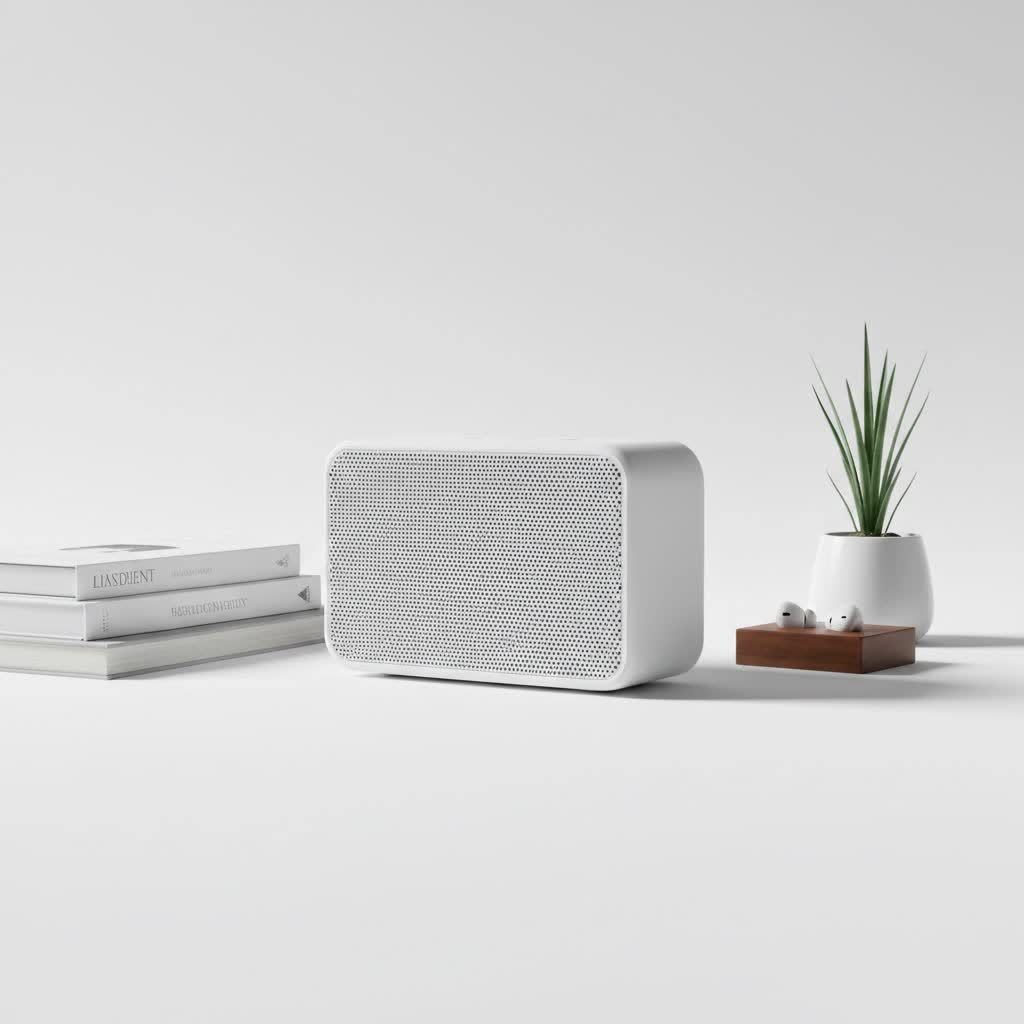
Whether you’re a student looking for a desk companion, an adventurer needing a soundtrack for your travels, or simply someone who appreciates great audio in a compact form, the JBL Go series demands your attention. In this comprehensive guide, we’ll explore its evolution, break down its features, and help you decide if this tiny titan is the perfect audio partner for your lifestyle.
What Makes the JBL Go Bluetooth Speaker a Modern Classic?
At first glance, the JBL Go is unassuming. It’s a small, colorful box that fits comfortably in the palm of your hand. But its enduring popularity isn’t an accident. It stems from a perfect blend of design, durability, and performance that few competitors have managed to replicate.
Pint-Sized Portability, Powerful Punch
|
Our Picks for the Best Bluetooth Speaker in 2026
As an Amazon Associate I earn from qualifying purchases.
|
||
| Num | Product | Action |
|---|---|---|
| 1 | Amazon Echo Dot, Vibrant-sounding speaker with Alexa+ Early Access, Great for bedrooms, dining rooms and offices, Charcoal |

|
| 2 | Sony SRS-XB100 Wireless Bluetooth Portable Lightweight Super-Compact Travel Speaker, Durable IP67 Waterproof & Dustproof Shower Speaker, 16 Hour Battery, Versatile Strap, & Hands-free Calling, Black |
|
| 3 | Bluetooth Speaker with HD Sound, Portable Wireless, IPX5 Waterproof, Up to 20H Playtime, TWS Pairing, BT5.3, for Home/Party/Outdoor/Beach, Electronic Gadgets, Birthday Gift (Black) |
|
| 4 | Bose SoundLink Flex Bluetooth Speaker (2nd Gen) - Portable Outdoor Speaker with Hi-Fi Audio, Waterproof and Dustproof, USB-C, Up to 12 Hours Battery Life, Sandstone |
|
| 5 | Sonos Era 100 - Black - Wireless, Alexa Enabled Smart Speaker |
|
| 6 | JBL FLIP 5, Waterproof Portable Bluetooth Speaker, Black, Small |
|
| 7 | JBL Clip 5 - Ultra-Portable, Waterproof & Dustproof Bluetooth Speaker, Big JBL Pro Sound with Punchy bass, Integrated Carabiner, Up to 12 Hours of Play, Made in Part with Recycled Materials (Black) |
|
| 8 | W-KING Party Loudest Portable Bluetooth Speaker Wireless Boom Box, 180W Max Big Large Outdoor Speaker 4 Drivers with 2*4.04\'\' Subwoofer, 80W HD Huge 105dB Pulse Natur Deep Bass, IPX5/24H/EQ/USB/TF/AUX |
|
| 9 | JBL Flip 6 - Portable Bluetooth Speaker, powerful sound and deep bass, IPX7 waterproof, 12 hours of playtime, JBL PartyBoost for multiple speaker pairing for home, outdoor and travel (Blue) |
|
| 10 | Ortizan Portable Bluetooth Speaker x Stocking Stuffers: IPX7 Waterproof, Wireless, Big Sound, Deep Bass, Dual Pairing, 30H Playtime, White Elephant Gift for Adults Men Women Teen Boys Girls (Black) |
|
The number one reason people flock to the JBL Go Bluetooth speaker is its incredible portability. Weighing less than a smartphone and featuring an integrated loop on its newer models, it’s designed to be taken anywhere and everywhere. You can clip it to a backpack, hang it in the shower, or toss it in a bag without a second thought.
But portability is meaningless if the sound is weak. This is where JBL’s audio engineering prowess shines. The Go series produces a sound that is surprisingly rich and clear for its size. As I often tell my readers at JoyBG, “Don’t judge a speaker by its cover. The JBL Go delivers clean vocals and a punchy midrange that makes music and podcasts enjoyable, not just audible.” It’s the ideal personal speaker for small groups or solo listening sessions.
Built for the Real World: Durability and Design
Modern iterations of the JBL Go, specifically the Go 3 and Go 4, are IP67 rated, meaning they are fully waterproof and dustproof. This isn’t just a “splash-proof” gimmick. You can genuinely submerge it in water or take it to the beach without fear. The rugged fabric and rubberized housing are built to withstand the bumps and drops of daily life, making it a reliable companion for any adventure. The vibrant color options also allow for a degree of personal expression that many other bland, black-box speakers lack.
The Evolution of Go: A Speaker That Keeps Getting Better
The JBL Go series has seen significant improvements over the years. Understanding its journey helps appreciate the refinements in the latest models.
| Feature | JBL Go 2 | JBL Go 3 | JBL Go 4 |
|---|---|---|---|
| Waterproofing | IPX7 (Waterproof only) | IP67 (Waterproof & Dustproof) | IP67 (Waterproof & Dustproof) |
| Audio Output | 3 Watts | 4.2 Watts | 4.2 Watts (More refined bass) |
| Design | Smooth Plastic, No Loop | Fabric & Rubber, Integrated Loop | Fabric & Rubber, Wider Loop |
| Charging Port | Micro-USB | USB-C | USB-C |
| Battery Life | Up to 5 hours | Up to 5 hours | Up to 7 hours (+2 with Playtime Boost) |
| Connectivity | Bluetooth 4.1 | Bluetooth 5.1 | Bluetooth 5.3 |
| Multi-speaker | No | No | Yes (Auracast™) |
As you can see, the jump from Go 2 to Go 3 was a major overhaul, introducing a more modern design, superior durability, and the much-needed USB-C port. The Go 4 builds on that solid foundation by significantly improving battery life and adding Auracast™ for multi-speaker pairing—a true game-changer for this price point.
A Deep Dive Into the Modern JBL Go Bluetooth Speaker
Let’s focus on what you can expect if you buy a JBL Go Bluetooth speaker today. The Go 3 and Go 4 represent the peak of this line.
How Good is the Sound Quality?
For a speaker of this size, the sound is exceptional. The audio is tuned to emphasize clarity in the mids and highs, making vocals, podcasts, and acoustic music sound crisp and present. The bass is punchy, not rumbly. You’ll hear the beat, but you won’t feel it in your chest. This is a physical limitation of its small size, but JBL’s passive radiator design does an admirable job of maximizing low-end response. It’s perfect for a desktop, hotel room, or a small gathering in the park.
As an audio expert, my advice is to manage expectations. The JBL Go won’t power a house party, but it will fill your personal space with surprisingly dynamic and enjoyable sound. It’s about quality, not just quantity.
Battery Life and Charging Explained
The latest JBL Go 4 offers up to 7 hours of playtime, a significant improvement over previous generations. It also features a “Playtime Boost” mode in the app, which tunes the audio to extend listening by another 2 hours. Charging is handled via a modern USB-C port, which means you likely already have the right cable for your phone or laptop. A full charge takes around 3 hours. While 7 hours may not seem like a lot compared to larger speakers, it’s more than enough for a day trip, a long study session, or an evening on the patio.
Connectivity: Bluetooth and Beyond
Pairing the JBL Go is effortless. Simply turn it on, and it enters pairing mode. With Bluetooth 5.1 (Go 3) and 5.3 (Go 4), the connection is stable and reliable. The Go 4 introduces a massive upgrade with Auracast™, a new Bluetooth technology that allows you to pair two Go 4 speakers for a stereo experience or connect to an unlimited number of other Auracast-enabled JBL speakers. This transforms it from a personal device into a scalable sound system.
Tips for Getting the Most From Your JBL Go
Owning a JBL Go Bluetooth speaker is just the start. With a few simple tricks, you can enhance its performance and prolong its life.
- Placement Matters: For a richer sound, place the speaker near a wall or in a corner. This will naturally amplify the bass frequencies, giving the audio more weight and presence.
- Keep It Clean: If you take it to the beach or it gets dirty, don’t worry. Thanks to its IP67 rating, you can safely rinse it under fresh water. Just be sure to let it air dry completely before charging.
- Use the App: With the newer models like the Go 4, the JBL Portable app unlocks additional features. You can customize the EQ, access the Playtime Boost mode, and update the speaker’s firmware, ensuring you always have the latest features and performance improvements.
Frequently Asked Questions (FAQ)
Can you pair two JBL Go speakers together?
Yes, but only with the newest model. The JBL Go 4 features Auracast™ technology, which allows you to link two Go 4 speakers for stereo sound or connect it with multiple other compatible JBL speakers for a bigger, synchronized audio experience. Older models like the Go 3 do not have this feature.
Is the JBL Go 3 fully waterproof?
Yes, the JBL Go 3 is rated IP67, which means it is both dustproof and waterproof. It can be submerged in up to 1 meter (about 3 feet) of water for up to 30 minutes without damage, making it perfect for use by the pool, at the beach, or even in the shower.
How long does the JBL Go battery last on a single charge?
The battery life varies by model. The JBL Go 3 provides up to 5 hours of playtime. The newer JBL Go 4 extends this to up to 7 hours, with an optional Playtime Boost mode that can add another 2 hours of listening time by slightly adjusting the audio output.
Does the JBL Go Bluetooth speaker have a microphone?
No, the JBL Go 3 and Go 4 models do not include a built-in microphone. They are designed purely for audio playback and cannot be used as a speakerphone to answer calls. The older JBL Go 2 did have this feature, but it was removed in later versions.
Which is better, the JBL Go 3 or Go 4?
The JBL Go 4 is the better speaker, offering two major advantages: significantly longer battery life (7 hours vs. 5) and the ability to connect with other speakers via Auracast™. If those features are important to you, the Go 4 is worth the upgrade. However, the JBL Go 3 offers nearly identical core sound quality and durability and can often be found at a lower price, making it an excellent value.
The Final Verdict
After years of testing, the JBL Go Bluetooth speaker remains my top recommendation for anyone seeking a truly ultra-portable speaker without making a major compromise on sound quality. It’s a product that knows exactly what it is: a tough, simple, and fantastic-sounding personal audio companion. The newer models, with their robust IP67 build and refined audio, are a testament to JBL’s commitment to improving an already winning formula.
Whether you choose the great value of the Go 3 or the enhanced features of the Go 4, you are investing in a piece of audio gear that will bring music to your adventures, big and small. It’s a small speaker that makes a big statement.
