There’s something magical about the fusion of classic design and modern technology. A high-quality Retro Bluetooth Speaker isn’t just a device for playing music; it’s a statement piece, a nod to a bygone era of analog warmth and timeless style. If you’re looking to blend nostalgic aesthetics with the convenience of wireless audio, you’ve come to the right place. As an audiophile with over a decade of hands-on experience at JoyBG, I’ve tested, tweaked, and taken apart more speakers than I can count. I’m here to guide you through everything you need to know to find the perfect vintage-inspired sound system for your home.
What Defines a Retro Bluetooth Speaker?
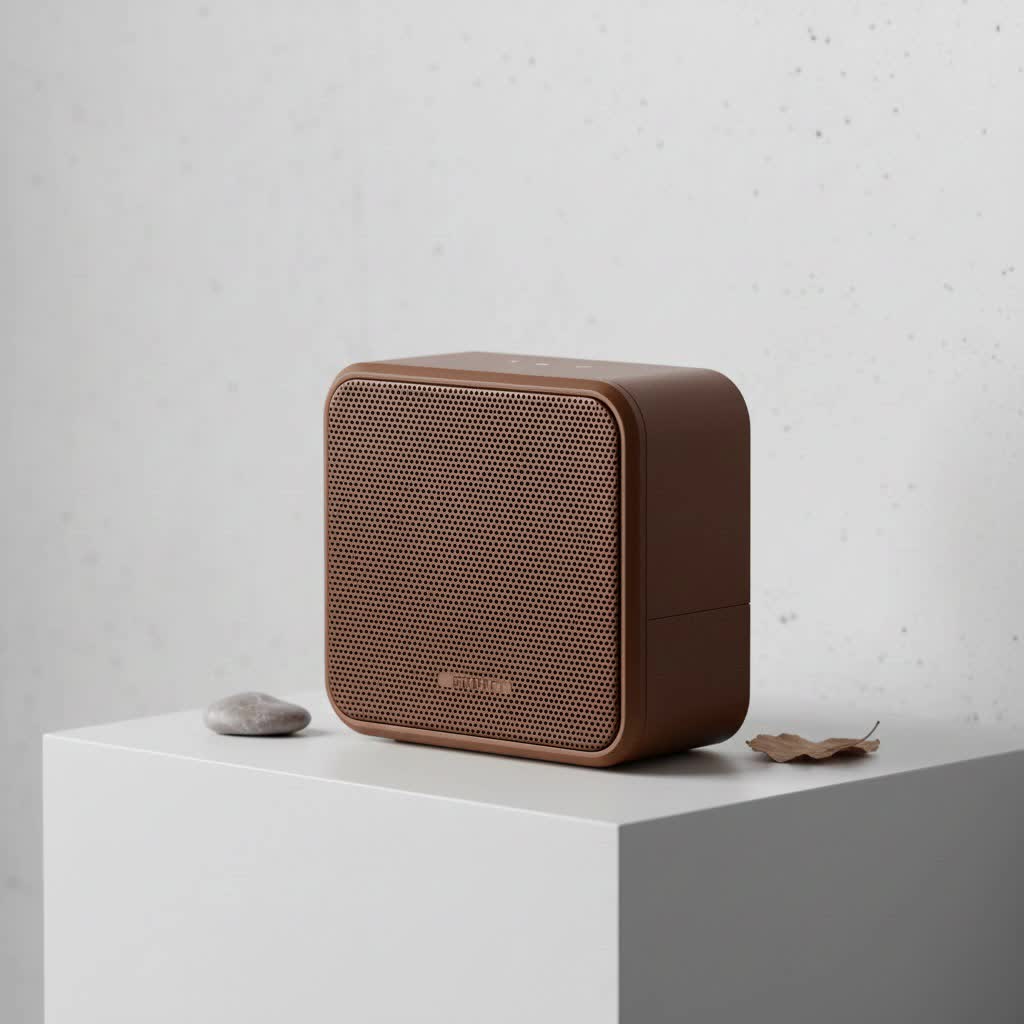
A retro bluetooth speaker is more than just a standard speaker in a vintage-looking box. It’s an intentional design choice that captures the essence of mid-century modern, art deco, or even 70s rock ‘n’ roll aesthetics. These speakers often feature materials like real wood veneers, tactile knobs, and classic grille cloths, reminiscent of old radios and amplifiers. However, beneath that vintage exterior lies a modern heart, boasting wireless Bluetooth connectivity, digital amplifiers, and sometimes even smart features.
The Allure: Why Choose a Vintage Vibe?
In a world saturated with minimalist, futuristic gadgets, the appeal of a retro design is stronger than ever. It’s about creating a connection to the past and adding character to your living space.
Timeless Aesthetics Meet Modern Function
|
Our Picks for the Best Bluetooth Speaker in 2026
As an Amazon Associate I earn from qualifying purchases.
|
||
| Num | Product | Action |
|---|---|---|
| 1 | JBL Flip 6 - Portable Bluetooth Speaker, powerful sound and deep bass, IPX7 waterproof, 12 hours of playtime, JBL PartyBoost for multiple speaker pairing for home, outdoor and travel (Blue) |

|
| 2 | JBL FLIP 5, Waterproof Portable Bluetooth Speaker, Black, Small |
|
| 3 | W-KING Party Loudest Portable Bluetooth Speaker Wireless Boom Box, 180W Max Big Large Outdoor Speaker 4 Drivers with 2*4.04\'\' Subwoofer, 80W HD Huge 105dB Pulse Natur Deep Bass, IPX5/24H/EQ/USB/TF/AUX |
|
| 4 | Sonos Era 100 - Black - Wireless, Alexa Enabled Smart Speaker |
|
| 5 | JBL Clip 5 - Ultra-Portable, Waterproof & Dustproof Bluetooth Speaker, Big JBL Pro Sound with Punchy bass, Integrated Carabiner, Up to 12 Hours of Play, Made in Part with Recycled Materials (Black) |
|
| 6 | Ortizan Portable Bluetooth Speaker x Stocking Stuffers: IPX7 Waterproof, Wireless, Big Sound, Deep Bass, Dual Pairing, 30H Playtime, White Elephant Gift for Adults Men Women Teen Boys Girls (Black) |
|
| 7 | Bluetooth Speaker with HD Sound, Portable Wireless, IPX5 Waterproof, Up to 20H Playtime, TWS Pairing, BT5.3, for Home/Party/Outdoor/Beach, Electronic Gadgets, Birthday Gift (Black) |
|
| 8 | Sony SRS-XB100 Wireless Bluetooth Portable Lightweight Super-Compact Travel Speaker, Durable IP67 Waterproof & Dustproof Shower Speaker, 16 Hour Battery, Versatile Strap, & Hands-free Calling, Black |
|
| 9 | Bose SoundLink Flex Bluetooth Speaker (2nd Gen) - Portable Outdoor Speaker with Hi-Fi Audio, Waterproof and Dustproof, USB-C, Up to 12 Hours Battery Life, Sandstone |
|
| 10 | Amazon Echo Dot, Vibrant-sounding speaker with Alexa+ Early Access, Great for bedrooms, dining rooms and offices, Charcoal |
|
The primary draw is, of course, the look. A well-crafted retro speaker can serve as a central decor element in a room, much like a piece of furniture. Unlike generic plastic speakers that you might want to hide, these are designed to be seen and admired. They evoke a sense of warmth and authenticity that modern designs often lack.
A Tactile, Satisfying Experience
There’s an undeniable satisfaction in turning a weighted, metal knob to adjust the volume or bass. The physical click and turn provide a tangible connection to your music that tapping on a glass screen simply can’t replicate. This hands-on approach is a core part of the retro experience.
“A common mistake people make is assuming a retro design means compromised sound,” notes our lead audio technician at JoyBG, Alex Carter. “In reality, many manufacturers use classic acoustic design principles, like wood cabinets, which can actually enhance the warmth and richness of the audio in ways that modern materials can’t.”
How to Choose the Best Retro Bluetooth Speaker
Finding the right model involves looking beyond the aesthetics and digging into the specifications that matter. Here’s a checklist to guide your decision-making process.
1. Sound Quality: The Heart of the Matter
Don’t let the old-school look fool you; sound quality should be your top priority.
- Driver Size and Configuration: Look for speakers with dedicated drivers for highs (tweeters) and lows (woofers). This separation generally produces a clearer, more balanced sound.
- Power Output (Watts): While higher wattage doesn’t always mean better sound, it indicates the speaker’s potential volume. For a medium-sized living room, 20-50 watts is often more than sufficient.
- Sound Signature: Do you prefer deep, booming bass or crisp, clear vocals? Some retro speakers are tuned for a “warm” sound profile, which emphasizes mid-range frequencies, perfect for jazz and acoustic tracks. Others might offer a more neutral, balanced sound suitable for all genres.
2. Build Materials and Durability
The materials used are crucial for both looks and longevity.
- Wood: A solid wood or wood veneer cabinet isn’t just for show. It helps create a warm, resonant sound. It’s a hallmark of quality retro speakers.
- Metal Accents: Look for brushed aluminum or brass knobs and switches. They feel more premium and are more durable than plastic alternatives.
- Grille Cloth: A classic woven or textured grille cloth completes the vintage look and protects the speaker drivers.
3. Connectivity and Features
A good retro speaker seamlessly blends old-world design with new-world technology.
- Bluetooth Version: Look for Bluetooth 5.0 or higher. This ensures a more stable connection, longer range, and better energy efficiency compared to older versions.
- Auxiliary Input: A 3.5mm AUX input is a great backup, allowing you to connect non-Bluetooth devices like a turntable or an old MP3 player.
- FM Radio: Many retro models include a built-in FM radio with an analog tuning dial, adding another layer of nostalgic charm.
- Battery Life: If portability is important, check the battery specifications. A good portable retro speaker should offer at least 8-12 hours of playback on a single charge.
Styling Your Speaker for Maximum Impact
A retro bluetooth speaker is a functional piece of art. To make it stand out, consider its placement. It looks fantastic on a bookshelf surrounded by classic novels, on a mid-century modern credenza, or as a centerpiece on a minimalist desk. The key is to let its design complement the surrounding decor, creating a cohesive and stylish atmosphere.
Frequently Asked Questions (FAQ)
Are retro bluetooth speakers more expensive than modern ones?
Not necessarily. While high-end, audiophile-grade retro speakers from brands like Marshall or Klipsch can be pricey, there are many affordable options that offer excellent style and decent sound quality. The price depends more on the brand, materials, and audio components than the retro design itself.
Does a wood cabinet really improve the sound?
Yes, it can. Wood is a dense, non-resonant material that helps to reduce unwanted vibrations and distortion. This often results in a warmer, more natural, and less “tinny” sound compared to speakers housed in thin plastic enclosures. It’s a principle used in classic hi-fi systems for decades.
Can I connect my turntable to a retro bluetooth speaker?
You can, but you’ll likely need a turntable with a built-in phono preamp. You would then connect the turntable to the speaker’s AUX input using an RCA-to-3.5mm cable. If your turntable does not have a built-in preamp, you will need an external one.
Are these speakers difficult to set up?
Not at all. Despite their vintage appearance, they function just like any other Bluetooth speaker. Simply turn it on, enable pairing mode (usually by pressing a button), and select the speaker from your phone or computer’s Bluetooth menu.
How do I clean and maintain my retro speaker?
For wood surfaces, use a dry or slightly damp microfiber cloth. Avoid harsh chemical cleaners. For the grille cloth, a lint roller or a vacuum cleaner with a soft brush attachment works well to remove dust. Always check the manufacturer’s care instructions.
The Final Verdict
Choosing a retro bluetooth speaker is about embracing the best of both worlds. You get the character, warmth, and tactile satisfaction of vintage design without sacrificing the convenience and quality of modern audio technology. It’s a device that pleases both the eyes and the ears. By focusing on sound quality, build materials, and essential features, you can find a speaker that not only plays your favorite music but also adds a touch of timeless elegance to your life. Take your time, choose wisely, and get ready to enjoy a truly unique listening experience.
