Are you typing “find a great bluetooth speaker near me” into your phone, hoping to pick one up today? I get it. Sometimes you just want that instant audio gratification without waiting for shipping. As an audiophile with over a decade of hands-on experience at JoyBG, I can tell you that buying a speaker in person is one of the smartest moves you can make. It allows you to cut through the marketing hype and experience the product firsthand. This guide will walk you through exactly how to find the perfect local audio companion, what to look for in a store, and how to test a speaker like a pro before you spend a dime.
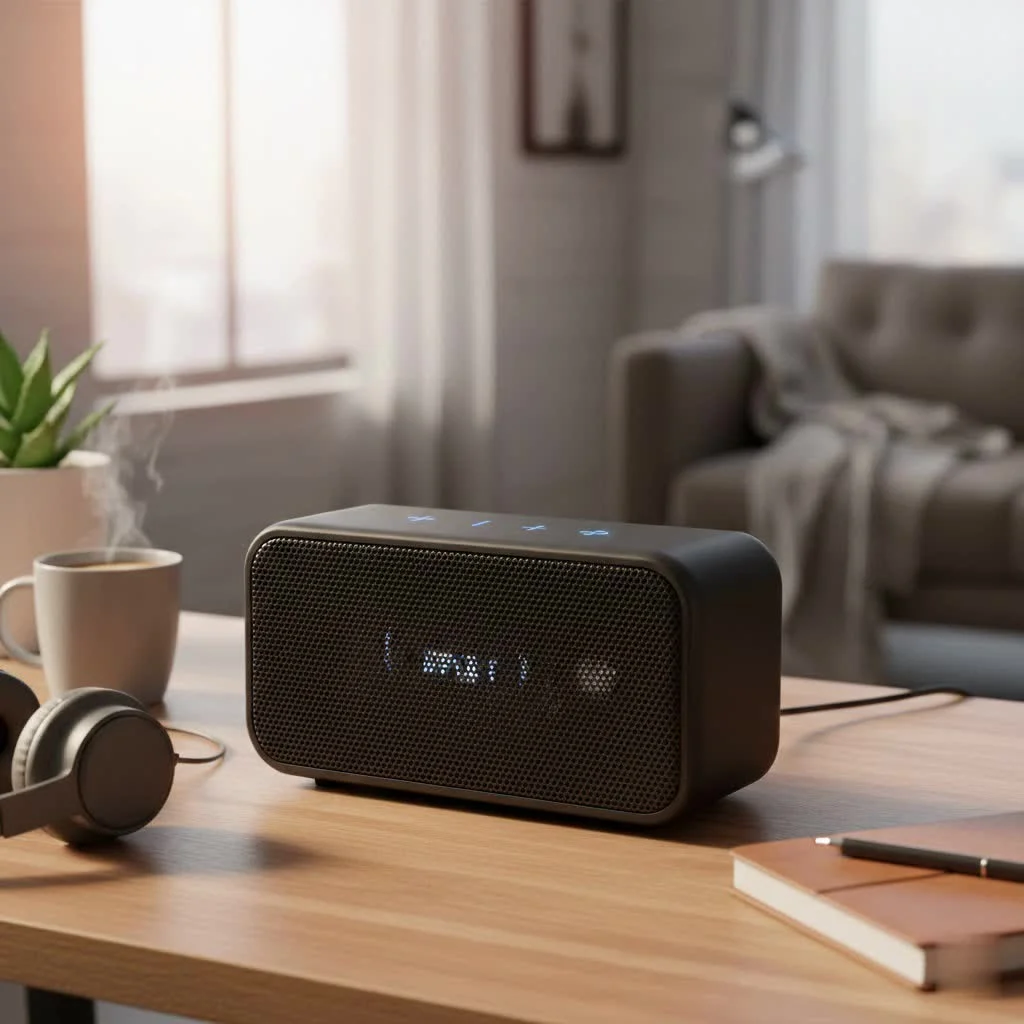
Why Buy a Bluetooth Speaker from a Local Store?
In an age of one-click online shopping, heading to a physical store might seem old-fashioned. However, when it comes to audio equipment, the benefits of an in-person purchase are immense. The primary advantage is the ability to conduct a “sound check” yourself. You can hear how the speaker handles your favorite genre of music, from deep bass lines to delicate high notes, which is something a spec sheet or online review can never fully convey. For browse all reviews articles on this site.
Another key benefit is the lack of a waiting period. You find the speaker you love, and you take it home the same day. This is perfect for last-minute gifts, upcoming parties, or spontaneous beach trips. Finally, you can often get hands-on advice from knowledgeable staff who can help you compare models side-by-side, answering specific questions about your needs.
Top Places to Find a Bluetooth Speaker Near Me
When you start your local search, you’ll likely find a few different types of retailers. Each offers a distinct shopping experience.
Big-Box Electronics Stores
Chains like Best Buy or Currys are often the first stop for many. They offer a wide selection from major brands like Sony, JBL, and Bose.
- Pros: Competitive pricing, frequent sales, and dedicated sections with multiple demo units ready for testing.
- Cons: The staff’s expertise can vary, and the noisy environment can sometimes make it difficult to judge audio nuances accurately.
Specialty Audio Shops
These are the havens for true audiophiles. Independent hi-fi stores carry high-end and niche brands you might not find elsewhere, such as Bang & Olufsen, Bowers & Wilkins, or Klipsch.
- Pros: Highly knowledgeable staff who are passionate about audio, and dedicated listening rooms for a proper demo.
- Cons: Prices are typically higher, and the selection might be more focused on premium products.
Department and General Merchandise Stores
|
Our Picks for the Best Bluetooth Speaker in 2026
As an Amazon Associate I earn from qualifying purchases.
|
||
| Num | Product | Action |
|---|---|---|
| 1 | Amazon Echo Dot, Vibrant-sounding speaker with Alexa+ Early Access, Great for bedrooms, dining rooms and offices, Charcoal |

|
| 2 | W-KING Party Loudest Portable Bluetooth Speaker Wireless Boom Box, 180W Max Big Large Outdoor Speaker 4 Drivers with 2*4.04\'\' Subwoofer, 80W HD Huge 105dB Pulse Natur Deep Bass, IPX5/24H/EQ/USB/TF/AUX |
|
| 3 | Sony SRS-XB100 Wireless Bluetooth Portable Lightweight Super-Compact Travel Speaker, Durable IP67 Waterproof & Dustproof Shower Speaker, 16 Hour Battery, Versatile Strap, & Hands-free Calling, Black |
|
| 4 | Bose SoundLink Flex Bluetooth Speaker (2nd Gen) - Portable Outdoor Speaker with Hi-Fi Audio, Waterproof and Dustproof, USB-C, Up to 12 Hours Battery Life, Sandstone |
|
| 5 | JBL Flip 6 - Portable Bluetooth Speaker, powerful sound and deep bass, IPX7 waterproof, 12 hours of playtime, JBL PartyBoost for multiple speaker pairing for home, outdoor and travel (Blue) |
|
| 6 | JBL FLIP 5, Waterproof Portable Bluetooth Speaker, Black, Small |
|
| 7 | Bluetooth Speaker with HD Sound, Portable Wireless, IPX5 Waterproof, Up to 20H Playtime, TWS Pairing, BT5.3, for Home/Party/Outdoor/Beach, Electronic Gadgets, Birthday Gift (Black) |
|
| 8 | JBL Clip 5 - Ultra-Portable, Waterproof & Dustproof Bluetooth Speaker, Big JBL Pro Sound with Punchy bass, Integrated Carabiner, Up to 12 Hours of Play, Made in Part with Recycled Materials (Black) |
|
| 9 | Ortizan Portable Bluetooth Speaker x Stocking Stuffers: IPX7 Waterproof, Wireless, Big Sound, Deep Bass, Dual Pairing, 30H Playtime, White Elephant Gift for Adults Men Women Teen Boys Girls (Black) |
|
| 10 | Sonos Era 100 - Black - Wireless, Alexa Enabled Smart Speaker |
|
Retailers like Target or Walmart also stock a range of popular, budget-friendly Bluetooth speakers.
- Pros: Convenient one-stop shopping and often very affordable options.
- Cons: Demo units are rare, and the packaging usually prevents you from touching or feeling the product before purchase. This is best for when you’ve already decided on a specific model.
Your In-Store Testing Checklist
Walking into a store without a plan can be overwhelming. As a seasoned audio expert, I’ve developed a simple yet effective checklist. Bring your smartphone with you, as it’s your most important testing tool.
1. The Critical Sound Test
This is the most crucial step. Don’t rely on the store’s pre-loaded demo track, which is often engineered to make every speaker sound amazing.
- Connect Your Phone: Pair your phone via Bluetooth. The process should be quick and intuitive. If it’s a hassle in the store, it will be a hassle at home.
- Play Your Music: Test with songs you know inside and out. Choose a few tracks from different genres:
- A track with deep, clean bass (think electronic or hip-hop). Does the bass sound muddy and distorted at high volumes, or is it tight and controlled?
- An acoustic or vocal-centric track. Are the voices clear and natural? Do the instruments sound detailed?
- A complex rock or classical piece. Can the speaker handle multiple layers of sound without everything mushing together?
- Test the Volume: Slowly turn the volume up to about 75-80% of its maximum. This is where many budget speakers start to show their weaknesses through distortion. The sound should remain clear and balanced.
Expert Tip from JoyBG: “A common mistake is only testing for loudness. A great speaker maintains its character and clarity at both low and high volumes. If it only sounds good when it’s blasting, you’ll be disappointed during late-night listening sessions.” – Daniel Carter, Lead Audio Technician at JoyBG
2. Physical Feel and Build Quality
Pick the speaker up. How does it feel in your hands?
- Materials: Does it feel solid and durable, or does it feel like cheap plastic that might crack after a small drop?
- Buttons and Controls: Are the buttons tactile and responsive? Are they easy to understand without reading a manual?
- Portability: Consider its weight and size. If you plan to carry it in a backpack, a heavy, bulky speaker will quickly become a burden.
3. Connection and Features
A great-sounding speaker is useless if it’s frustrating to use.
- Bluetooth Range: While connected, leave your phone on the display and walk away. How far can you go before the signal starts to cut out? A good speaker should give you at least 30 feet (about 10 meters) of freedom.
- Ask About Features: Inquire about two key specs:
- Battery Life: Ask for the real-world battery life, not just the number on the box, which is often tested at 50% volume.
- IP Rating: If you need a speaker for the pool or shower, ask about its IP rating. An IPX7 rating means it can be fully submerged, while an IPX4 rating means it can only handle splashes.
Getting the Best Price: Local vs. Online
You found a speaker you love in a local store, but you see it for slightly less online. What should you do? Many local retailers, especially larger ones, have price-matching policies. Show them the online price from a reputable seller on your phone. They will often match it to secure the sale.
Even if you pay a little more locally, you are also buying peace of mind. A local purchase means a simpler return process if something goes wrong and access to immediate support, which can be invaluable.
Frequently Asked Questions (FAQ)
What is a good price for a quality Bluetooth speaker?
A good price depends on your needs. You can find decent, highly portable options for around $50-$70. For more robust sound, better battery life, and waterproofing, expect to pay in the $100-$250 range. High-fidelity models can cost $300 or more.
How can I test a speaker’s sound in a noisy store?
While not perfect, you can get a good sense of the sound by holding the speaker closer to your ears. Focus on clarity and distortion at higher volumes rather than subtle details, which will be hard to hear. Ask if there’s a quieter corner in the store where you can listen.
What does the IP rating on a speaker mean?
The IP (Ingress Protection) rating tells you how resistant a device is to solids and liquids. It’s usually two numbers, like IP67. The first number is for dust protection (6 is dust-tight), and the second is for water protection (7 means it can be submerged in 1 meter of water for 30 minutes).
Can I trust the advice of the store employees?
In specialty audio shops, absolutely. In big-box stores, it can be hit or miss. Use their advice as a starting point, but always trust your own ears. Your in-store test is the most reliable source of information.
Is it better to have Wi-Fi in a speaker in addition to Bluetooth?
Wi-Fi connectivity is great for home use, as it offers higher fidelity audio and allows for multi-room setups. However, for on-the-go portability, which is the primary use for most users, a dedicated Bluetooth speaker is simpler, more efficient, and doesn’t rely on a network.
Your Perfect Sound is Waiting
Finding the perfect bluetooth speaker near me is about more than just a quick search; it’s an experience. By going to a local store, you empower yourself to make a choice based on real-world performance, not just online reviews. Use the checklist, trust your ears, and don’t be afraid to spend time comparing different models. The perfect soundtrack for your next adventure is out there, and with this guide, you now have the expertise to go out and find it today.
Get our weekly buyer guide
Practical specs, not advice. Unsubscribe anytime.
This article confirmed my belief that buying audio gear in person is the way to go. I always recommend people listen to speakers before committing. I followed the advice on checking for distortion at max volume and it saved me from a bad purchase. Ended up with a great portable speaker for my camping trips.
Good tips here, especially about checking for bass response. I tried out a few speakers at Best Buy, but honestly, even after testing, the one I picked up (a cheaper Sony model) still sounds a little tinny at higher volumes. It’s fine for background music, but I was hoping for a bit more oomph. Next time I’ll spend more time comparing.
I’ve been looking for a new speaker for my patio and this guide was super helpful. I usually just order online, but the advice about testing the sound in person really made a difference. I ended up going to a local electronics store and found a JBL Flip that sounds amazing. Definitely worth the trip to hear it before buying.
I was totally typing ‘best bluetooth speaker near me’ into Google, so this guide was perfect timing! I never thought about how important it is to actually hear the speaker in a store. I went to Target and compared a few different brands like Bose and Ultimate Ears. The sound quality difference was really noticeable, and I’m so happy with the one I chose.