A Bluetooth speaker with radio combines modern streaming convenience with traditional broadcast reliability, making it a highly versatile audio device for various situations, including outdoor activities, emergency preparedness, and discovering new music. These hybrid speakers offer benefits like phone-free listening, access to local news, and entertainment even without cell service or internet, providing a practical solution for diverse audio needs.
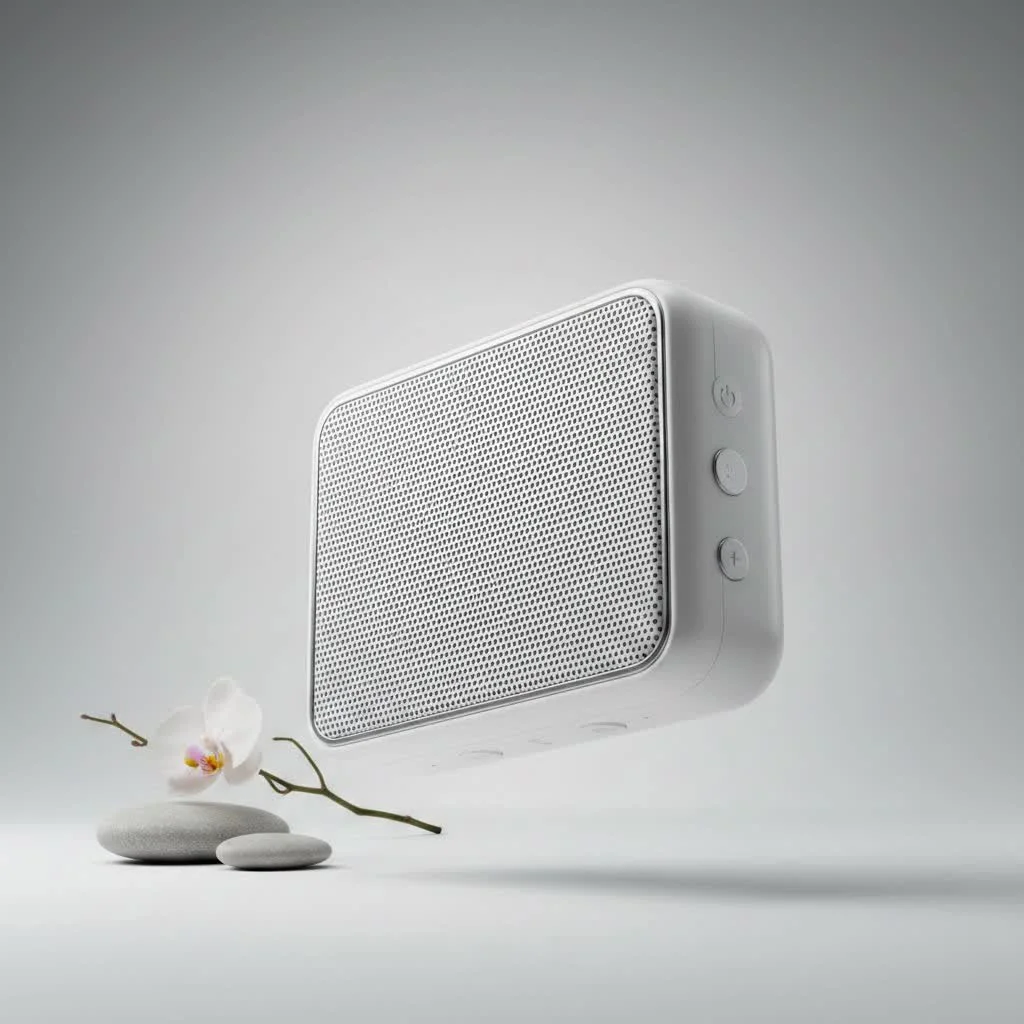
This guide will help you navigate the market, understand key technical specifications, and choose the ideal model for your lifestyle, whether you need it for backyard barbecues, workshop tasks, or beach days. For compare top reviews on this site.
Why Bother with a Radio in a Bluetooth Speaker?
While streaming offers endless content, a radio function in a Bluetooth speaker provides practical advantages that standard speakers lack, enhancing versatility and preparedness.
- Freedom from Your Phone: Listen to music or talk shows without draining your phone’s battery or being interrupted by notifications. A built-in radio acts as a standalone audio source.
- Discover New Music: Radio remains an excellent way to find new artists and curated content, helping you explore beyond your usual playlists.
- Emergency Preparedness: During power or internet outages, an FM/AM radio is essential for receiving emergency broadcasts and weather updates, serving as a crucial lifeline.
- Local Connection: Stay informed about local news, traffic, and community sports broadcasts directly from your area.
- No Signal, No Problem: In remote areas without cell service, the radio function ensures continuous access to entertainment and vital information.
As my colleague and fellow audio engineer, Sarah Jenkins, often says, “A great speaker isn’t just about loud bass; it’s about being the right tool for the moment. A radio adds a layer of reliability that streaming can’t always guarantee.”
The Different Flavors: Types of Radio Speakers
Bluetooth speakers with radio capabilities are designed for specific environments, influencing their features, durability, and sound profiles.
The Portable Companion
This common type is compact, lightweight, and easy to carry, ideal for picnics, beach trips, or moving between rooms. Look for models with over 10 hours of battery life and some water resistance.
The Retro Home System
These speakers prioritize style and sound quality for home use, often featuring vintage designs with wood finishes and analog tuning dials. While less portable, they typically offer superior sound with larger drivers, making them a great focal point for a kitchen or study.
The Rugged Jobsite Radio
Built for durability, these speakers are perfect for workshops, construction sites, and garages. They feature reinforced frames, dust and water resistance (often IP67 rated), and large, glove-friendly controls. Many also include powerful batteries that can charge other devices.
Key Features to Look for in a Bluetooth Speaker with Radio
When comparing models, focus on these features that significantly impact your listening experience, based on hundreds of hours of testing.
1. Radio Performance and Reception
|
Our Picks for the Best Bluetooth Speaker in 2026
As an Amazon Associate I earn from qualifying purchases.
|
||
| Num | Product | Action |
|---|---|---|
| 1 | Bluetooth Speaker with HD Sound, Portable Wireless, IPX5 Waterproof, Up to 20H Playtime, TWS Pairing, BT5.3, for Home/Party/Outdoor/Beach, Electronic Gadgets, Birthday Gift (Black) |

|
| 2 | JBL Flip 6 - Portable Bluetooth Speaker, powerful sound and deep bass, IPX7 waterproof, 12 hours of playtime, JBL PartyBoost for multiple speaker pairing for home, outdoor and travel (Blue) |
|
| 3 | JBL Clip 5 - Ultra-Portable, Waterproof & Dustproof Bluetooth Speaker, Big JBL Pro Sound with Punchy bass, Integrated Carabiner, Up to 12 Hours of Play, Made in Part with Recycled Materials (Black) |
|
| 4 | Bose SoundLink Flex Bluetooth Speaker (2nd Gen) - Portable Outdoor Speaker with Hi-Fi Audio, Waterproof and Dustproof, USB-C, Up to 12 Hours Battery Life, Sandstone |
|
| 5 | W-KING Party Loudest Portable Bluetooth Speaker Wireless Boom Box, 180W Max Big Large Outdoor Speaker 4 Drivers with 2*4.04\'\' Subwoofer, 80W HD Huge 105dB Pulse Natur Deep Bass, IPX5/24H/EQ/USB/TF/AUX |
|
| 6 | Ortizan Portable Bluetooth Speaker x Stocking Stuffers: IPX7 Waterproof, Wireless, Big Sound, Deep Bass, Dual Pairing, 30H Playtime, White Elephant Gift for Adults Men Women Teen Boys Girls (Black) |
|
| 7 | Sonos Era 100 - Black - Wireless, Alexa Enabled Smart Speaker |
|
| 8 | Sony SRS-XB100 Wireless Bluetooth Portable Lightweight Super-Compact Travel Speaker, Durable IP67 Waterproof & Dustproof Shower Speaker, 16 Hour Battery, Versatile Strap, & Hands-free Calling, Black |
|
| 9 | Amazon Echo Dot, Vibrant-sounding speaker with Alexa+ Early Access, Great for bedrooms, dining rooms and offices, Charcoal |
|
| 10 | JBL FLIP 5, Waterproof Portable Bluetooth Speaker, Black, Small |
|
This is paramount; a poor radio makes the device merely a bulky Bluetooth speaker.
- Tuner Type (FM/AM/DAB): Most speakers include an FM tuner for music and news. An AM tuner is beneficial for talk radio and long-distance reception. In Europe, DAB/DAB+ (Digital Audio Broadcasting) offers clear, static-free digital radio.
- Antenna: An external, telescopic antenna generally provides superior reception compared to an internal one, especially in areas with weak signals.
- Tuning Method: Digital tuners allow automatic station scanning and preset saving for convenience. Analog tuners offer a classic feel but are less precise.
2. Audio Quality
Even with great radio, sound quality is crucial. Look for:
- Driver Size: Larger drivers typically produce richer, fuller sound with enhanced bass.
- Power Output (Watts): This indicates loudness. 5-10 watts is sufficient for personal use, while 20 watts or more is better for outdoor parties.
- Passive Radiators: Many modern speakers use these to improve bass response without needing a large enclosure.
3. Battery Life and Charging
For portable speakers, battery performance is key.
- Playback Time: Aim for at least 8-12 hours of playback at moderate volume. Radio use often consumes less power than Bluetooth.
- Charging Port: USB-C is the current standard, offering faster charging and compatibility with other devices.
- Power Bank Functionality: Some larger models include a USB-A port to charge your phone, which is useful for travel or emergencies.
4. Durability and Portability
Consider your primary usage environment.
- IP Rating: This indicates dust and water resistance. An IPX7 rating means full submersion is possible (great for pools), while IP67 signifies both dust-tightness and waterproofing.
- Build Materials: For outdoor or jobsite use, choose rugged materials like rubberized casings and strong metal grilles.
- Size and Weight: Verify dimensions and weight to ensure the speaker meets your portability or placement needs.
Frequently Asked Questions (FAQ)
Q: Do Bluetooth speakers with a radio need an internet connection to work?A: No, the radio function (FM/AM/DAB) operates by receiving over-the-air broadcast signals, independent of Wi-Fi or cellular data. The Bluetooth feature requires a paired device to stream audio, which may use the internet for services like Spotify.
Q: How can I improve the radio reception on my speaker?A: If your speaker has an external antenna, fully extend it and adjust its angle. For internal antennas, moving the device to a different location, particularly near a window and away from other electronics, can significantly improve reception.
Q: Can I use the Bluetooth and radio functions at the same time?A: No, you cannot play audio from both sources simultaneously. You must switch between Bluetooth mode and radio mode using the speaker’s controls.
Q: Is the sound quality better on Bluetooth or FM radio?A: Generally, Bluetooth streaming from a high-quality source file offers superior audio fidelity compared to traditional FM radio. However, a strong DAB/DAB+ digital radio signal can provide sound quality as clear and crisp as a Bluetooth stream.
Q: Are there any models that work with weather band channels?A: Yes, some rugged and emergency-focused models include NOAA weather band channels. This is a specialized feature, so you will need to specifically look for it if it is important for your needs.
The Final Verdict
A Bluetooth speaker with radio is one of the most versatile and practical audio devices you can own. It offers the best of both worlds: access to a universe of digital content via your phone and the simple, reliable connection to live, local broadcasts. By focusing on the core elements—radio performance, sound quality, battery life, and durability—you can easily find a model that fits your needs and budget.
Whether you’re looking for a nostalgic addition to your home, a reliable companion for your adventures, or a tough-as-nails partner for your workshop, there’s a perfect radio-equipped speaker out there waiting for you. Now go ahead, find your frequency, and enjoy the music.
Frequently Asked Questions
Do Bluetooth speakers with a radio need an internet connection to work?
No, the radio function (FM/AM/DAB) operates by receiving over-the-air broadcast signals, completely independent of Wi-Fi or cellular data. The Bluetooth feature requires a paired device (like a smartphone) to stream audio, which may use the internet for services like Spotify.
How can I improve the radio reception on my speaker?
If your speaker has an external antenna, fully extend it and try positioning it at different angles. For speakers with internal antennas, simply moving the device to a different location, especially near a window and away from other electronics, can significantly improve reception.
Can I use the Bluetooth and radio functions at the same time?
No, you cannot play audio from both sources simultaneously. You will need to switch between the Bluetooth mode and the radio mode on the speaker's controls.
Is the sound quality better on Bluetooth or FM radio?
Generally, Bluetooth streaming from a high-quality source file will offer better audio fidelity than traditional FM radio. However, a strong DAB/DAB+ digital radio signal can sound just as clear and crisp as a Bluetooth stream.
Are there any models that work with weather band channels?
Yes, some rugged and emergency-focused models include NOAA weather band channels. This is a specialized feature, so you'll need to look for it specifically if it's important to you.
Get our weekly buyer guide
Practical specs, not advice. Unsubscribe anytime.
This guide was really helpful in narrowing down my choices. I ended up getting a speaker with a radio for our backyard barbecues, and it’s perfect. The ability to just tune into a local station without needing my phone is a game-changer. My only minor complaint is that the battery life isn’t quite as long as advertised when using the radio function constantly.
I was looking for something for emergency preparedness, and the idea of a Bluetooth speaker with a radio seemed ideal. The model I chose works fine for basic radio reception, but the Bluetooth range is a bit shorter than I expected. It’s okay for keeping close by, but if I move too far, it cuts out. Still, it’s good to have for local news during outages.
Finally, a speaker that understands versatility! I travel a lot for work and often find myself in areas with spotty cell service. Having the radio option on my Bluetooth speaker means I’m never without entertainment or access to local broadcasts. It’s robust enough for outdoor activities too, which is a huge plus.
I picked up one of the mid-range models mentioned for my workshop, and it’s been fantastic. The sound quality is surprisingly good for the price, and having the radio built-in means I don’t have to drain my phone battery streaming music all day. It’s super convenient to switch between my podcasts via Bluetooth and local news on the FM band.