Finding the perfect all-in-one audio solution can be a game-changer. Whether you’re an aspiring singer, a professional who gives presentations, or the designated party host, a bluetooth mic and speaker system offers unparalleled convenience and versatility. For over a decade, I’ve tested, tweaked, and taken apart hundreds of these units here at JoyBG, and I’ve seen them evolve from simple novelties into powerful, portable sound systems. This guide will walk you through everything you need to know to choose the perfect model for your needs.
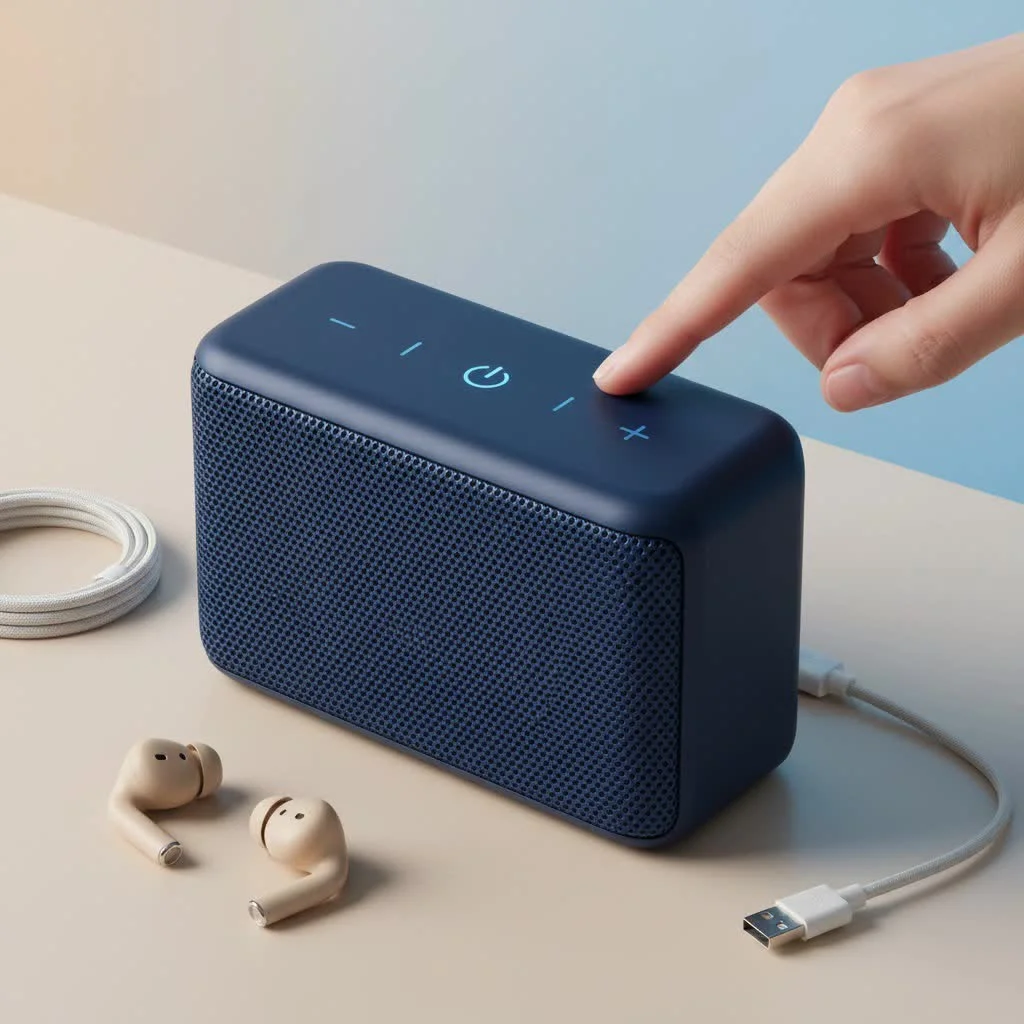
We’ll cut through the technical jargon and focus on what truly matters: empowering you to amplify your voice, music, and message, anytime and anywhere.
What Exactly is a Bluetooth Mic and Speaker Combo?
At its core, a bluetooth mic and speaker is an integrated system that combines a loudspeaker, an amplifier, and a wireless microphone into a single, portable unit. Unlike traditional PA systems that require a web of cables and a separate mixing board, these devices connect wirelessly via Bluetooth. This allows you to stream music from your phone or tablet while using the microphone to sing along, make announcements, or address a crowd.
These systems are designed for simplicity and portability. Most are battery-powered, freeing you from the constraint of power outlets and making them ideal for outdoor events, impromptu karaoke nights, and mobile presentations.
The Different Types You’ll Encounter
Not all systems are created equal. They generally fall into a few key categories, each tailored for specific uses.
1. Karaoke Machines
These are the life of the party. Designed specifically for singing, they often come with features like echo/reverb effects, voice changers, and even LED lights that sync with the music. They usually include one or two wireless microphones and prioritize vocal clarity over booming bass.
2. Portable PA Systems
Built for public speaking and small performances, these units are the workhorses of the group. They focus on projecting a clear, loud voice over a crowd. Key features include robust construction, long battery life, and multiple inputs for instruments or additional microphones. They are a favorite among tour guides, teachers, and street performers.
3. All-in-One Entertainment Speakers
These are the jack-of-all-trades. They balance powerful music playback with a functional microphone input. While they might not have the specialized vocal effects of a karaoke machine or the raw power of a dedicated PA system, they are perfect for backyard barbecues, beach parties, and casual get-togethers where you want both music and the option to make announcements.
As our lead audio engineer at JoyBG, David Chen, often says, “The best system is the one that disappears. It should be so easy to set up and use that you forget about the technology and focus on the performance.”
How to Choose the Right Bluetooth Mic and Speaker for You
Navigating the specifications can be daunting. Let’s break down the most important features to consider so you can make an informed decision.
Sound Quality and Power (Wattage)
|
Our Picks for the Best Bluetooth Speaker in 2026
As an Amazon Associate I earn from qualifying purchases.
|
||
| Num | Product | Action |
|---|---|---|
| 1 | JBL FLIP 5, Waterproof Portable Bluetooth Speaker, Black, Small |

|
| 2 | Ortizan Portable Bluetooth Speaker x Stocking Stuffers: IPX7 Waterproof, Wireless, Big Sound, Deep Bass, Dual Pairing, 30H Playtime, White Elephant Gift for Adults Men Women Teen Boys Girls (Black) |
|
| 3 | Sonos Era 100 - Black - Wireless, Alexa Enabled Smart Speaker |
|
| 4 | W-KING Party Loudest Portable Bluetooth Speaker Wireless Boom Box, 180W Max Big Large Outdoor Speaker 4 Drivers with 2*4.04\'\' Subwoofer, 80W HD Huge 105dB Pulse Natur Deep Bass, IPX5/24H/EQ/USB/TF/AUX |
|
| 5 | Bluetooth Speaker with HD Sound, Portable Wireless, IPX5 Waterproof, Up to 20H Playtime, TWS Pairing, BT5.3, for Home/Party/Outdoor/Beach, Electronic Gadgets, Birthday Gift (Black) |
|
| 6 | Sony SRS-XB100 Wireless Bluetooth Portable Lightweight Super-Compact Travel Speaker, Durable IP67 Waterproof & Dustproof Shower Speaker, 16 Hour Battery, Versatile Strap, & Hands-free Calling, Black |
|
| 7 | Amazon Echo Dot, Vibrant-sounding speaker with Alexa+ Early Access, Great for bedrooms, dining rooms and offices, Charcoal |
|
| 8 | Bose SoundLink Flex Bluetooth Speaker (2nd Gen) - Portable Outdoor Speaker with Hi-Fi Audio, Waterproof and Dustproof, USB-C, Up to 12 Hours Battery Life, Sandstone |
|
| 9 | JBL Flip 6 - Portable Bluetooth Speaker, powerful sound and deep bass, IPX7 waterproof, 12 hours of playtime, JBL PartyBoost for multiple speaker pairing for home, outdoor and travel (Blue) |
|
| 10 | JBL Clip 5 - Ultra-Portable, Waterproof & Dustproof Bluetooth Speaker, Big JBL Pro Sound with Punchy bass, Integrated Carabiner, Up to 12 Hours of Play, Made in Part with Recycled Materials (Black) |
|
- Power (Watts): This indicates how loud the speaker can get. For a small living room karaoke session, 15-30 watts is plenty. For an outdoor party or a small hall, look for something in the 50-100 watt range or higher.
- Driver Size: Larger drivers (the cones that produce sound) generally mean better bass and a fuller sound.
- Frequency Response: This is the range of sound the speaker can reproduce. A wider range (e.g., 50Hz – 20kHz) is typically better, but the numbers don’t tell the whole story. It’s always best to listen before you buy if possible.
Microphone Matters
- Type: Most systems come with UHF wireless microphones, which offer a stable connection and good range. Some budget models might use a wired mic, which limits mobility.
- Number of Mics: If you plan on duets, look for a system that includes or supports two microphones simultaneously.
- Mic Quality: Look for microphones that feel sturdy and produce a clear, natural vocal tone without a lot of feedback or hiss.
Battery Life and Portability
This is crucial for on-the-go use.
- Battery Capacity: Measured in mAh (milliamp-hours), a higher number generally means longer playtime. Check the manufacturer’s estimated playtime, but be aware that playing at max volume will drain the battery faster. An average of 4-8 hours is a good target for most portable units.
- Weight and Size: Consider how you’ll be transporting the speaker. If you’re carrying it to the park, a lightweight model with a built-in handle or shoulder strap is essential. Larger, heavier models are better suited for home use or transport by car.
Connectivity and Extra Features
- Bluetooth Version: Look for Bluetooth 5.0 or higher for a more stable connection, longer range, and better efficiency.
- Other Inputs: A good system will offer alternative ways to play music. Look for AUX (3.5mm), USB (for flash drives), and SD card slots.
- TWS (True Wireless Stereo): Some speakers support TWS, which allows you to wirelessly connect two identical speakers for a true stereo sound experience.
- Vocal Effects: For karaoke lovers, built-in echo, reverb, and EQ controls are a must-have to add that professional touch to your vocals.
Getting the Most Out of Your System: Tips and Tricks
Once you have your bluetooth mic and speaker, follow these tips to ensure the best performance and longevity.
- Placement is Key: For the best sound, place the speaker at ear level and avoid putting it in a corner, which can create boomy, muddy bass.
- Avoid Microphone Feedback: That awful screeching sound? It’s feedback. It happens when the microphone picks up the sound from the speaker and re-amplifies it. To prevent this, never point the microphone directly at the speaker and maintain a reasonable distance.
- Battery Care: To prolong the life of your battery, avoid leaving it completely discharged for long periods. It’s also best to use the charger that came with the unit.
- Firmware Updates: Occasionally, manufacturers release firmware updates that can improve performance or add new features. Check their website periodically.
Frequently Asked Questions (FAQ)
Q1: Can I connect any Bluetooth microphone to any Bluetooth speaker?
Typically, no. The microphone and speaker in these systems are pre-paired to work together on a specific frequency (often UHF, not Bluetooth). You cannot usually connect a third-party Bluetooth mic directly to a standard Bluetooth speaker unless the speaker has a dedicated microphone receiver or input.
Q2: How far can the wireless microphone work from the speaker?
The range varies by model, but most UHF wireless microphones included with these systems have a reliable range of 50 to 100 feet (about 15 to 30 meters) in an open area. Obstacles like walls can reduce this range.
Q3: Can I use the speaker for music while someone is using the microphone?
Absolutely! That’s the primary function of these devices. You can stream a backing track from your phone via Bluetooth and sing over it with the microphone. The speaker will mix the two audio sources together.
Q4: Is a more expensive system always better?
Not necessarily. A higher price often gets you more power, better build quality, and more features. However, the “best” system is the one that fits your specific needs and budget. A casual user doesn’t need a 200-watt professional PA system for living room karaoke.
Q5: How do I reduce the echo on my voice?
Most systems with vocal effects will have a dedicated “Echo” or “Reverb” knob. Simply turn this knob down to reduce the effect. Start with it turned all the way down and slowly increase it until you find a level that sounds good to you.
Conclusion
A bluetooth mic and speaker system is a fantastically versatile piece of audio gear that can unlock a world of fun and functionality. From powering a presentation to fueling a karaoke battle, the right unit can do it all. By focusing on your primary use case and understanding the key features like sound power, microphone quality, and battery life, you can confidently choose a model that will serve you well for years to come. Now go on, grab that mic, and let your voice be heard.
Get our weekly buyer guide
Practical specs, not advice. Unsubscribe anytime.
I was hoping to find a system that was a bit more budget-friendly for casual use, and while the guide had some good suggestions, the cheaper options didn’t quite meet my expectations for bass response. I got the entry-level model, and it’s okay for just voice, but music sounds a little thin. Still, it’s convenient for outdoor gatherings, just wish the sound was richer.
As someone who gives presentations regularly, I needed something reliable and easy to set up. The breakdown of systems suitable for professional use was super helpful. I went with the ProSound 5000, and it’s been great for small to medium-sized rooms. The battery life is impressive, and the clarity of the microphone is excellent for speaking engagements.
I’ve been looking for a good all-in-one system for my karaoke nights, and this guide really helped me narrow it down. I ended up getting the XYZ model you mentioned for its portability and sound quality, and it’s been a huge hit! The wireless mic works flawlessly, and the sound fills my living room perfectly. Definitely recommend checking out the options here if you’re a party host.
This guide was exactly what I needed to understand the different features of these systems. I’m an aspiring singer and wanted something to practice with at home. The section on amplifier power and how it affects sound projection was particularly useful. I invested in a mid-range model, and the sound quality for both my voice and backing tracks is fantastic. It’s really helped me improve my practice sessions.